

AVKS - UPSC CAPF AC CLASSES
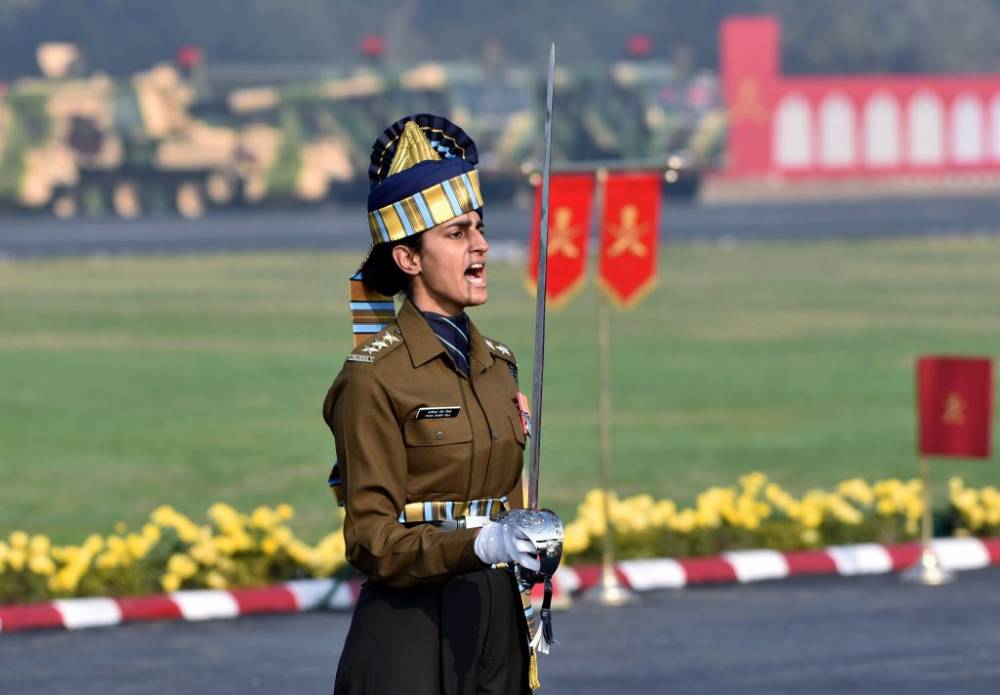
Introduction
The role of women in the armed forces has been a subject of debate and discussion for many years. Traditionally, military institutions were seen as predominantly male domains, but the 21st century has seen significant changes in this regard. This shift has raised pertinent questions regarding the benefits and drawbacks of women's participation in the armed forces. In this argument, we will explore both sides of this debate, examining five points in favor and five against the expanded role of women in the military.
Five Points in Favor of the Role of Women in Armed Forces
Diverse Skill Set: Women bring a diverse set of skills, perspectives, and experiences to the armed forces, which can enhance the overall effectiveness and adaptability of military units.
Expanded Talent Pool: By allowing women to serve in combat roles, the military can tap into a larger talent pool, ensuring that the best individuals are chosen based on merit rather than gender.
Equal Opportunity: Advocates for women in the military argue that gender should not be a barrier to service, and that women should have the same opportunities as men to serve in any role they are qualified for.
Global Trend: Many countries around the world, including the United States, have successfully integrated women into combat roles. Adapting to this global trend allows a country to stay competitive in the international arena.
Changing Societal Norms: As societal norms evolve, restrictions on women in the military are becoming increasingly outdated. Allowing women to serve in any capacity can be seen as a reflection of the progressive values of a nation.
Five Points Against the Role of Women in Armed Forces
Physical Demands: Some argue that the physical demands of combat roles might be too strenuous for the majority of women, potentially compromising the effectiveness of a unit.
Unit Cohesion: Concerns about unit cohesion and morale have been raised, suggesting that the presence of women in combat roles might disrupt the traditionally close-knit relationships among male soldiers.
Safety Concerns: There are concerns that women may be at higher risk of injury and sexual harassment in combat roles, potentially undermining their well-being and readiness.
Family Considerations: Critics argue that accommodating women in combat roles may pose unique challenges in terms of pregnancy, childcare, and family responsibilities, affecting deployment schedules.
Operational Effectiveness: Some believe that maintaining high operational effectiveness should be the primary goal of the military, and that it should not be subject to social experiments or inclusion policies.
Conclusion
The debate over the role of women in the armed forces is multifaceted and continues to evolve. While there are legitimate concerns on both sides of the argument, it is evident that the inclusion of women in the military is a significant step toward gender equality and tapping into a broader pool of talent. As societies progress and as the armed forces adapt to changing times, it is essential to carefully weigh the pros and cons, address challenges, and ensure that military readiness and effectiveness are not compromised. Women's involvement in the armed forces can be a positive force for change and progress, ultimately strengthening the nation's security and defense capabilities.
Discover Excellence at AVKS ACADEMY
Visit our website : AVKS Academy One of the Leading Insitute for UPSC CAPF Exam Preparation in India.
or contact us today to embark on your journey to greatness. Your success story begins here!"
Contact : 7093777494 , 7404460797
TELEGRAM : https://t.me/avksacademycapfac
INSTAGRAM : https://instagram.com/avkscapf?igshid=MzRlODBiNWFlZA==